📺
Animated series
A recurring cast in short episodes, such as a sitcom, a fantasy saga or a mini-mystery.
With Pika you can design a recurring cast, generate animated scenes, add voices and music, and publish a full series without an animation studio. This guide walks through the whole pipeline: picking a format, keeping characters consistent, producing an episode, and staying on the right side of YouTube's monetization and AI-disclosure rules.
A YouTube channel lives or dies on consistency: the same characters, the same look and a steady upload schedule. Pika's current studio has tools for each part of that:
New to Pika? Start with how to use Pika.
| Channel need | Pika tool |
|---|---|
| Recurring cast | Character Studio |
| Animated scenes | Video Studio, H3 Flex, Pika 2.5 |
| Scene transitions | Pikaframes |
| Longer shots | Extend Video |
| Narration & dialogue | Speech Studio |
| Theme music & SFX | Music Studio, Soundtrack |
| Captions | Dynamic Captions |
| Thumbnails | Image Studio, Edit Image |
Formats with a narrator, short scenes and a recurring cast suit Pika best. Each should have a clear story or point, not just a stream of pretty clips.
A recurring cast in short episodes, such as a sitcom, a fantasy saga or a mini-mystery.
Narrated myths, legends, fables and bedtime stories with stylised visuals.
Science, history or "how it works" topics, with your own research and narration.
Quick skits and running gags with a mascot character, ideal for Shorts.
Animated visuals for your own songs, made with Music Studio or your own tracks.
Lessons and study guides with an animated host. See 3D AI animations.
Define the premise, tone, art style, main characters and a style line you'll paste into every prompt, such as "3D animated, soft pastel lighting, Pixar-like proportions".
Design each character once and save it, so the same face, outfit and colours appear in every episode.
Write narration and dialogue with a clear beginning, middle and end. Your voice and story are what make the channel original.
List each shot with the characters, action, camera move and duration. Most shots work best at 5 to 10 seconds.
Use Video Studio or H3 Flex at 16:9 for long-form (9:16 for Shorts), tagging your saved characters. Use Pikaframes for transitions and Extend Video for longer moments.
Record narration in Speech Studio (or your own voice), create a theme in Music Studio and add effects with Soundtrack.
Assemble the episode in your editor, add captions with Dynamic Captions and a channel watermark. See add a logo or watermark.
Design a thumbnail in Image Studio, write a searchable title and description, and set YouTube's altered or synthetic content setting if any scene looks realistic.
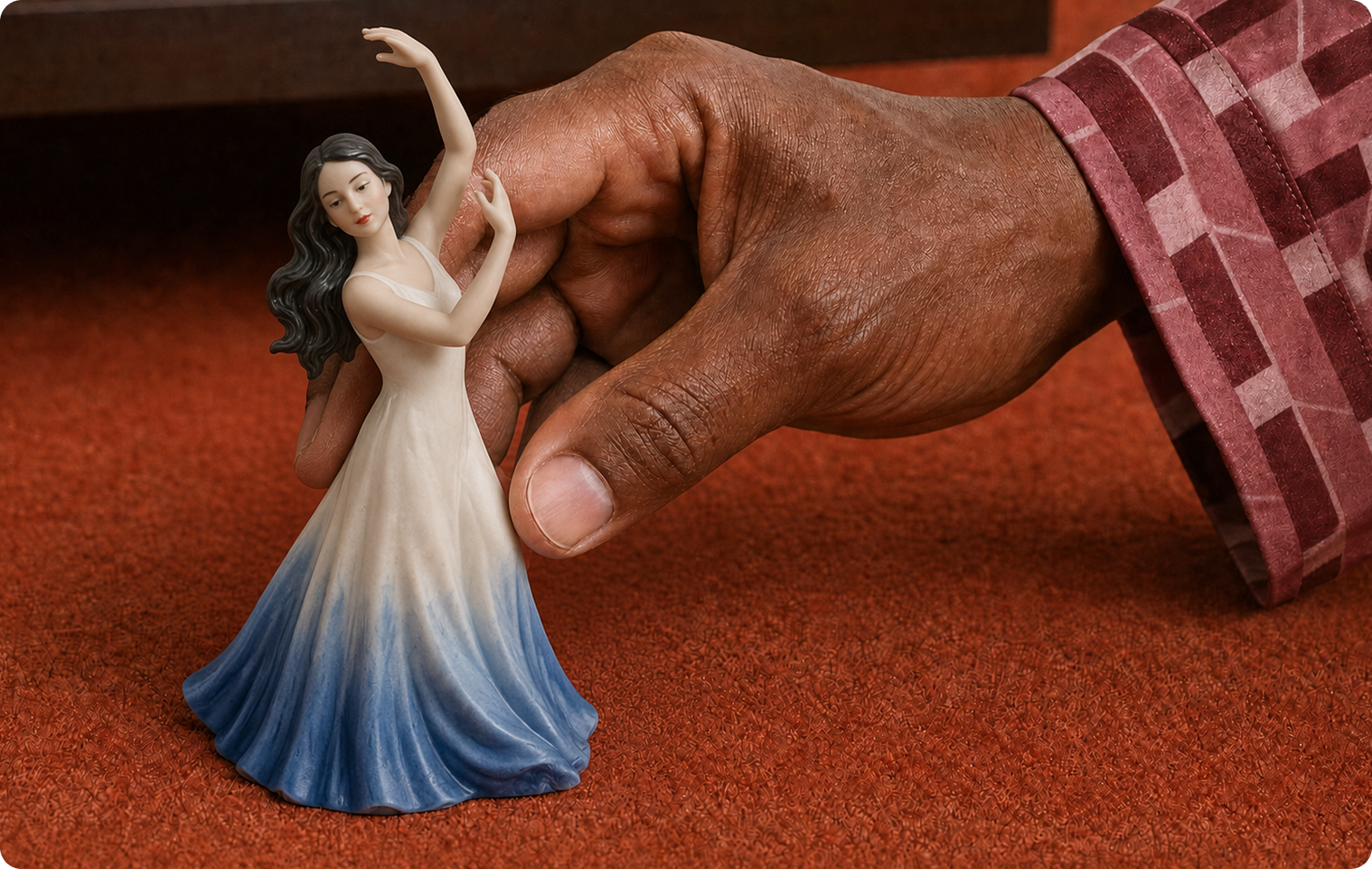
Official examples from Pika's Director's Suite, showing the kinds of series and shorts an animated channel can run.
Videos © Pika, hosted on cdn.pika.art. Credit: Pika (pika.art).

Multi-shot videos up to 30 seconds with your saved characters.



Thumbnails, banners and channel art in your series style.
App images © Pika, from pika.art. Credit: Pika (pika.art).
Most animated channels do both: long-form episodes for watch time and Shorts to find new viewers. Generate each shot in the aspect ratio you'll publish in, because reframing later crops your characters.
Turn one episode into several Shorts: a funny moment, a cliffhanger or a character intro. See Pika for short-form content and viral prompts for Shorts.
| Long-form | Shorts | |
|---|---|---|
| Aspect ratio | 16:9 | 9:16 |
| Typical length | 3 to 15 min | Under 60 s works best |
| Role | Watch time, loyal fans | Discovery, new subscribers |
| Shots needed | Dozens per episode | A handful |
Pika lists a 5-second clip at 10 credits with Pika H3 Flex (768p) and 20 credits with Pika 2.5 (720p). Here's a rough budget for the video shots alone, before retakes, upscaling and audio.
| Video | 5-second shots | H3 Flex credits | Pika 2.5 credits |
|---|---|---|---|
| 60-second Short | 12 | 120 | 240 |
| 3-minute episode | 36 | 360 | 720 |
| 5-minute episode | 60 | 600 | 1,200 |
Credit costs from pika.art/pricing. The Starter plan includes 600 credits a month and a commercial license, which you need to monetize. Plan for retakes: few shots come out right on the first try. See Pika pricing.
YouTube doesn't ban AI video. It limits monetization for inauthentic content and asks you to label realistic synthetic media. Build these habits in from episode one.
Generic, repetitive or template-based videos made with AI, CGI or templates can lose monetization. Give every episode a real story arc.
Content designed mainly to grab clicks, such as staged animal-distress or rescue clips, is also restricted.
AI-generated personas discussing health, finance, legal or medical advice face monetization limits.
Turn on YouTube's altered or synthetic content setting for anything a viewer could mistake for a real person, place or event. Clearly unrealistic animation usually doesn't need it.
Your own scripts, research, voice, editing and recurring characters are what make an AI channel original.
If your cartoons are aimed at children, mark them as made for kids in YouTube Studio, which changes how ads and comments work.
| YouTube Partner Program | Fan funding & Shopping | Ad revenue |
|---|---|---|
| Subscribers | 500 | 1,000 |
| Long-form path | 3,000 watch hours (12 months) + 3 uploads (90 days) | 4,000 watch hours (12 months) |
| Shorts path | 3 million Shorts views (90 days) + 3 uploads (90 days) | 10 million Shorts views (90 days) |
From YouTube Help. YouTube has announced higher ad-revenue thresholds for new applicants (8,000 watch hours or 20 million Shorts views), so check YouTube's earning requirements for the latest. This guide isn't legal or financial advice.
Tag your saved characters, keep one style line across the series, and describe one action per shot.
An establishing shot for every episode.
Two saved characters talking.
For narrated science or history.
A bold, readable thumbnail.
| Day | Task |
|---|---|
| Day 1 | Script the episode and break it into a shot list |
| Day 2 | Generate shots in Video Studio or H3 Flex |
| Day 3 | Retakes, transitions and extends |
| Day 4 | Narration, music and sound effects |
| Day 5 | Edit, captions, watermark and thumbnail |
| Day 6 | Publish the episode, then cut 2 to 3 Shorts from it |
| Day 7 | Reply to comments and plan the next episode from feedback |